Ashwagandha: a beginner’s guide to the Ayurvedic root
What ashwagandha is, which part of the plant is used, how it is traditionally taken and who should take care. A plain-English introduction.
Written by
Girivana Editorial Team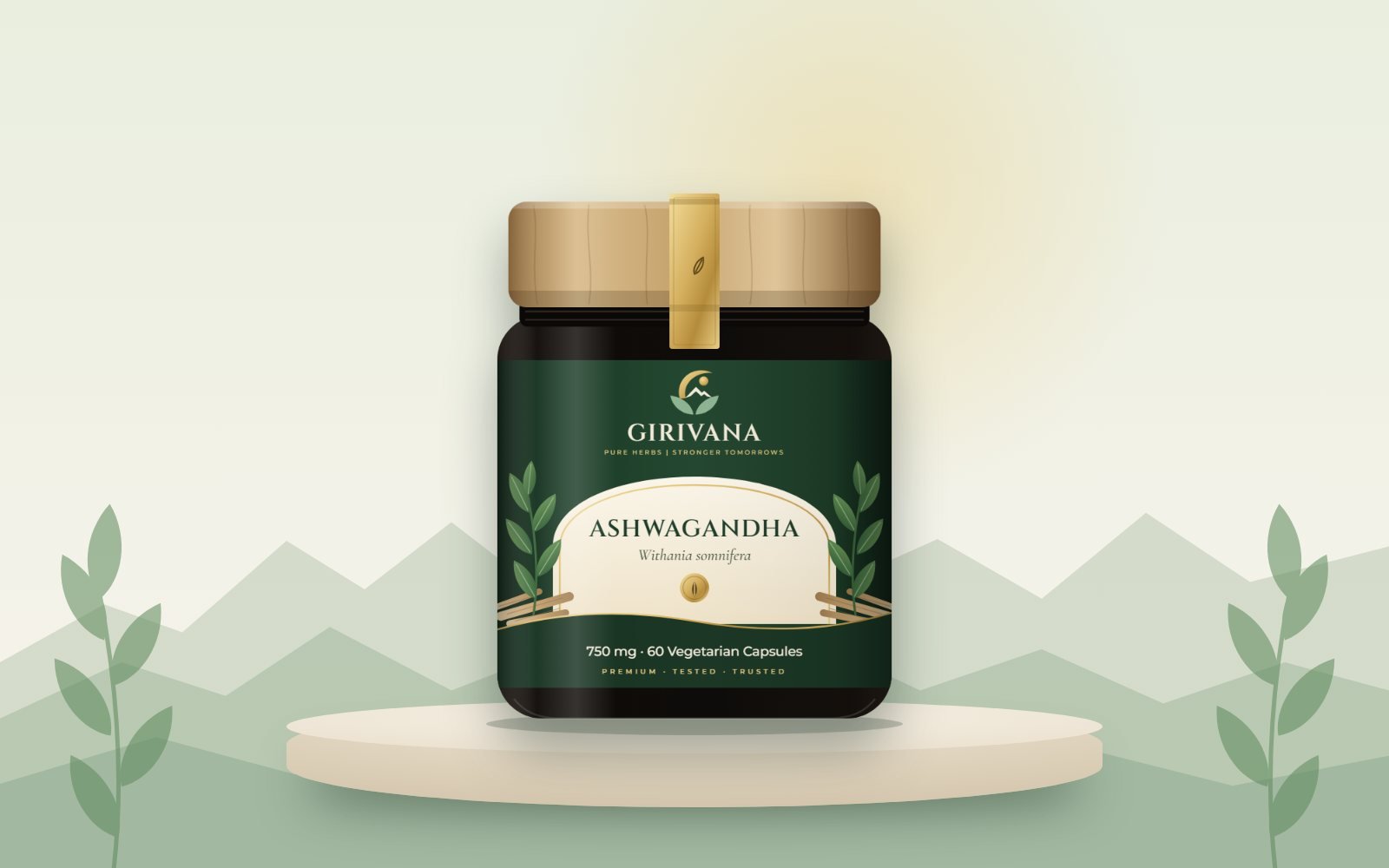
Ashwagandha (Withania somnifera) is one of the most widely used herbs in Ayurveda, and in recent years it has become one of the best-known herbal supplements in the world. This guide explains what the plant is, which part is used, how it is traditionally taken, and what to check before you buy.
What is ashwagandha?
Ashwagandha is a small, woody shrub of the nightshade family, the same family as tomatoes and aubergines. It has velvety green leaves, small greenish flowers and orange-red berries wrapped in papery husks. Its long, pale roots have a strong, earthy smell when fresh.
That smell gives the plant its Sanskrit name. Ashva means horse and gandha means smell: “that which smells like a horse”. The name is also read as a reference to the strength and vigour of a horse, qualities the herb has long been associated with.
Ashwagandha in Ayurvedic tradition
Ayurveda groups ashwagandha among the rasayana herbs. Rasayana is the branch of Ayurveda concerned with rejuvenation, and rasayana herbs are those traditionally taken regularly to support strength, vitality and overall wellbeing.
Classical texts describe ashwagandha as warming, nourishing and grounding. In the language of the three doshas, it is said to balance vata (the dosha of movement and the nervous system) and kapha. That is why it has traditionally been chosen for people who feel depleted, restless or run down.
Today it is often described as an adaptogen, a modern term for herbs traditionally used to support the body’s response to everyday stress.
Which part of the plant is used?
Classical Ayurvedic preparations use the root. The roots are harvested from mature plants, cleaned, dried and milled into a fine, pale powder.
Some modern products also use the leaves, or a mix of leaf and root, often as concentrated extracts. These are different from traditional root powder. If you want a product that follows the classical approach, check that the label says “root” and gives the amount per capsule.
How is ashwagandha traditionally taken?
The traditional way is to stir root powder into a cup of warm milk, sometimes with a little ghee, honey or cardamom, and drink it after the evening meal. Milk is considered a good carrier for nourishing herbs in Ayurveda.
Today, most people take ashwagandha as capsules of root powder. Capsules give a consistent amount every time and avoid the strong, bitter taste. They are usually taken after meals with warm water or milk.
Rasayana herbs are traditionally taken consistently over weeks as part of a steady daily routine, rather than for an instant effect. Always follow the directions on your product label or the advice of your practitioner.
What to look for when buying
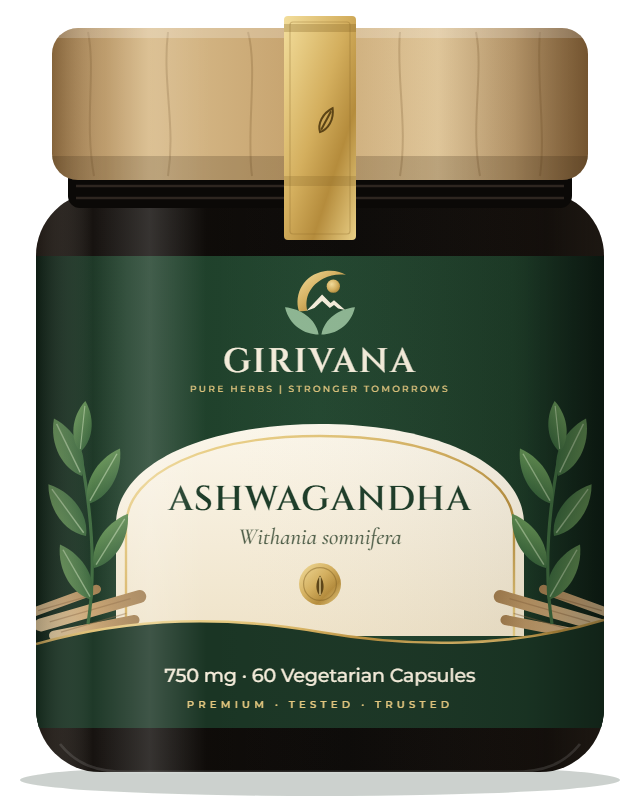
- Botanical name: Withania somnifera should appear on the label.
- Part used: root, root and leaf, or extract? The label should say.
- Quantity: the amount of ashwagandha per capsule, in milligrams.
- Other ingredients: fillers, flow agents and colours should be listed.
- Testing: ask whether the product is tested by an independent laboratory for heavy metals and microbial limits.
- Licence: Ayurvedic medicines sold in India carry a manufacturing licence number on the label.
Who should take care?
Ashwagandha is widely used, but it is not for everyone. Speak to a doctor or a registered Ayurvedic practitioner before using it if you:
- are pregnant, trying to conceive or breastfeeding;
- take thyroid medication, sedatives or medicines that affect blood sugar or blood pressure;
- have an autoimmune condition or are awaiting surgery;
- are giving it to a child.
Stop using it and seek advice if you notice any unusual symptoms.
The short version
Ashwagandha is a rasayana root with a long history in Ayurveda, traditionally taken to support strength and a calm, steady response to everyday stress. Choose a product that tells you the part used and the quantity, take it consistently as directed, and check with a professional if you take medication.
Health supplement. Not for medicinal use. Not to exceed the recommended daily usage. This product is not intended to diagnose, treat, cure or prevent any disease. Consult your doctor before use if you are pregnant, nursing, taking medication or managing a medical condition. Read the label before use.
- ashwagandha
- rasayana
- adaptogen
- herb guide
Girivana Editorial Team
Quality & product education
The team that sources, tests and documents every Girivana product, and explains what goes into each jar.