What is rasayana? Ayurveda’s science of rejuvenation
Rasayana is one of the eight branches of Ayurveda. What it means, which herbs belong to it, and why daily habits matter as much as herbs.
A plain-English guide to the ideas behind Ayurvedic herbs: the doshas, rasayana, daily routine and the words you will see on every label.
Ayurveda is India’s traditional system of health and wellbeing. Its name joins two Sanskrit words: ayus, life, and veda, knowledge. Its classical texts, such as the Charaka Samhita and Sushruta Samhita, are more than two thousand years old.
Ayurveda sees health as balance: between body, mind and senses, and between a person and their environment. It places as much weight on daily routine, food, sleep and conduct as on herbs. Herbs are chosen to support that balance, according to their qualities and the person taking them.
Today Ayurveda is a recognised system of medicine in India, regulated by the Ministry of AYUSH, with registered practitioners who hold BAMS or MD (Ayurveda) qualifications.
Core ideas
Five elements combine into vata (movement), pitta (transformation) and kapha (structure): the body’s three functional energies.
The digestive fire. Ayurveda considers good digestion the foundation of health.
Rejuvenation: nourishing herbs, foods and habits taken regularly to support vitality.
Dinacharya aligns sleep, meals and activity with the natural rhythm of the day.
Start here
Rasayana is one of the eight branches of Ayurveda. What it means, which herbs belong to it, and why daily habits matter as much as herbs.
A clear introduction to the three doshas of Ayurveda: what they are, how they show up, and why they matter when choosing herbs.
Ayurveda places daily routine at the heart of wellbeing. A practical, modern version of dinacharya you can actually follow.
Explore individual herbs in our ingredient library.
By need
Herb guides
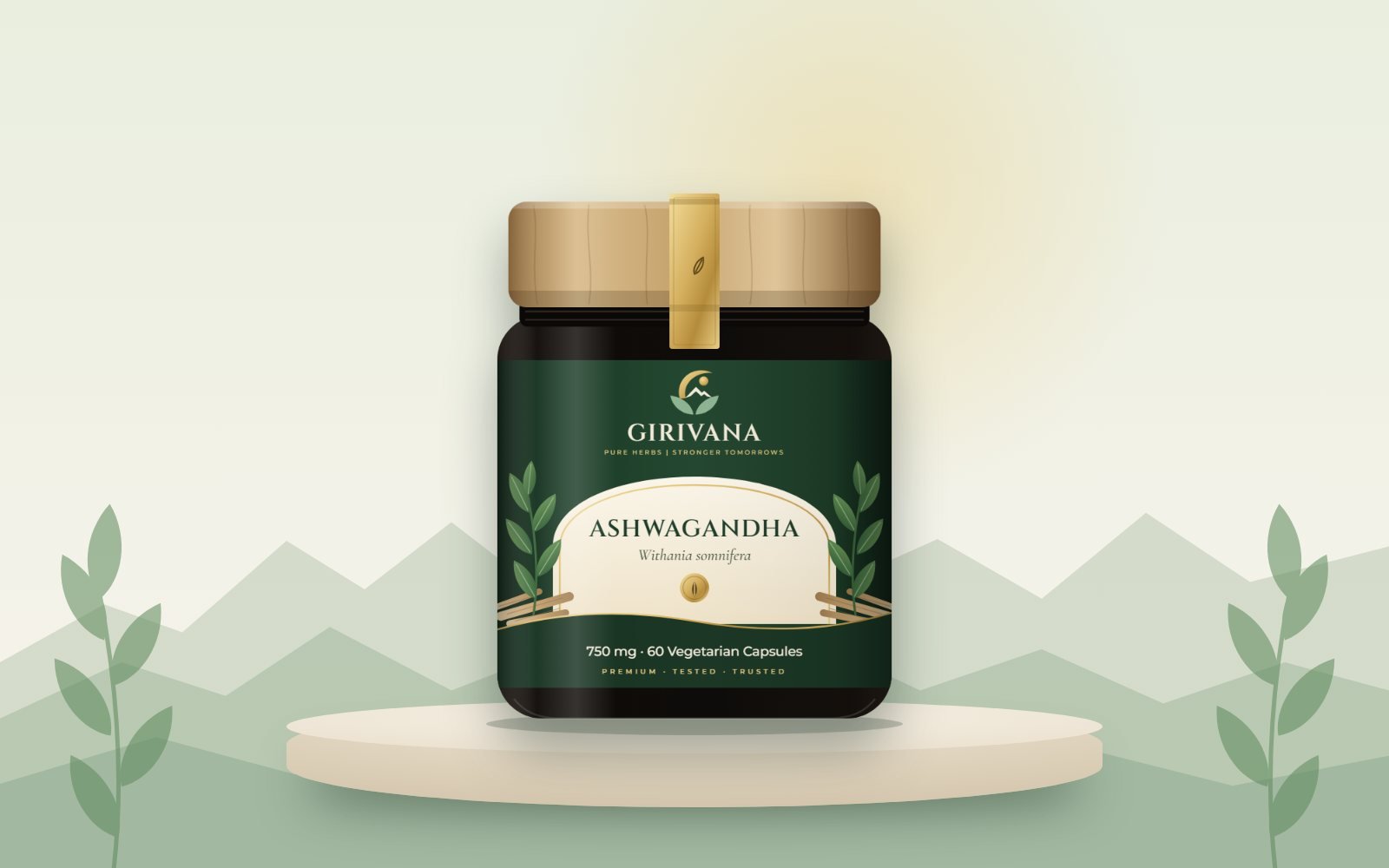
What ashwagandha is, which part of the plant is used, how it is traditionally taken and who should take care. A plain-English introduction.
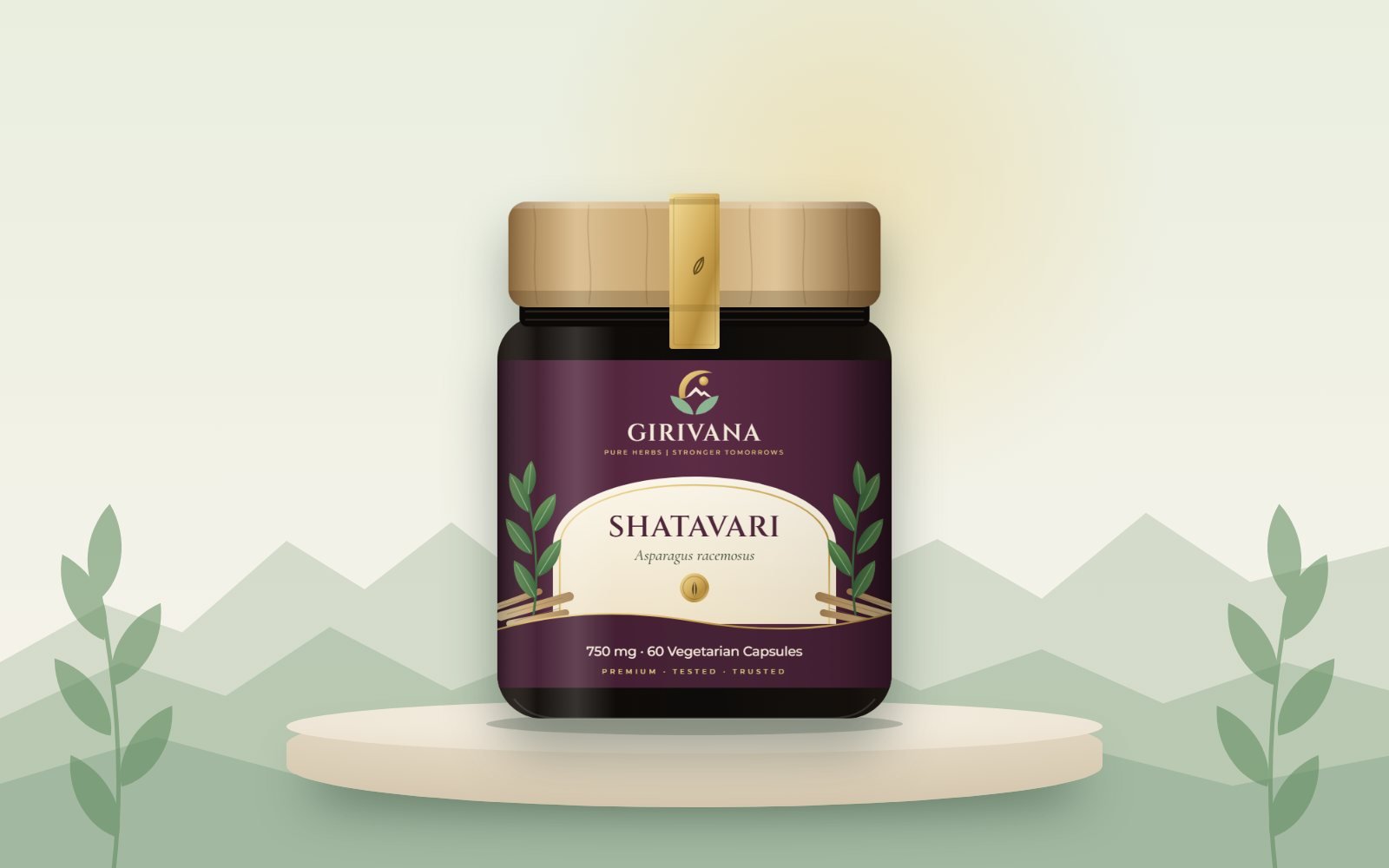
Shatavari is Ayurveda’s classic nourishing herb for women, and a general tonic for men too. What it is, how it is used and what to check.
Shilajit is not a plant but a mineral-rich natural resin. What it is, why it must be purified, and how it is traditionally taken.
The name joins two Sanskrit words: giri, mountain, and vana, forest. It reflects the wild landscapes where many Ayurvedic herbs traditionally grow, and our mark combines a mountain and a leaf in a single shape.
Ayurveda is India’s traditional system of wellbeing, with written texts going back more than two thousand years. It emphasises daily routine, diet and the use of herbs, minerals and spices suited to each person.
In Ayurveda, rasayana describes rejuvenating herbs and preparations taken regularly to support strength, vitality and healthy ageing. Ashwagandha, shatavari, amla and shilajit are well-known examples.
Ayurveda describes three functional energies in the body: vata (movement), pitta (transformation) and kapha (structure). Everyone has all three in a unique balance. Read our simple guide to the doshas.
It is a good idea, especially if you take medication, have a medical condition, are pregnant or nursing, or are buying for a child. A registered practitioner (BAMS or MD Ayurveda) can recommend herbs suited to your constitution.