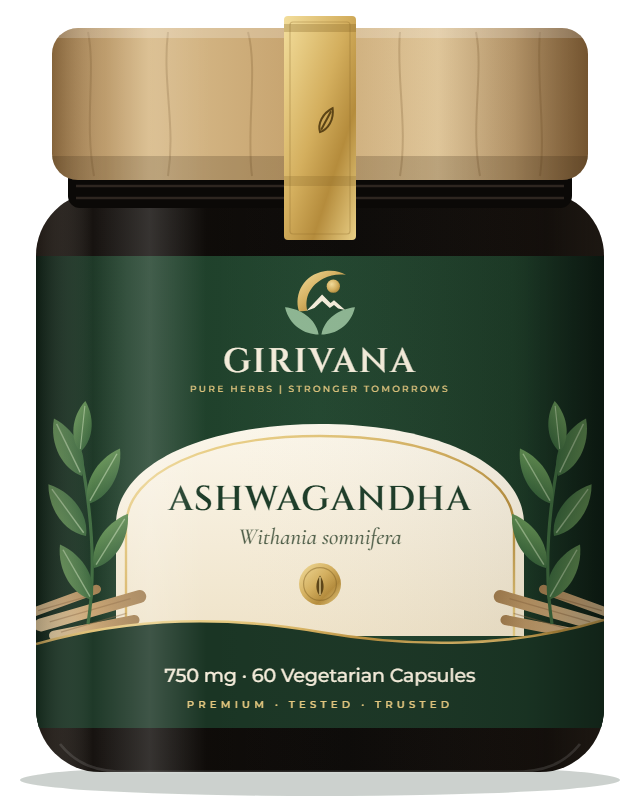
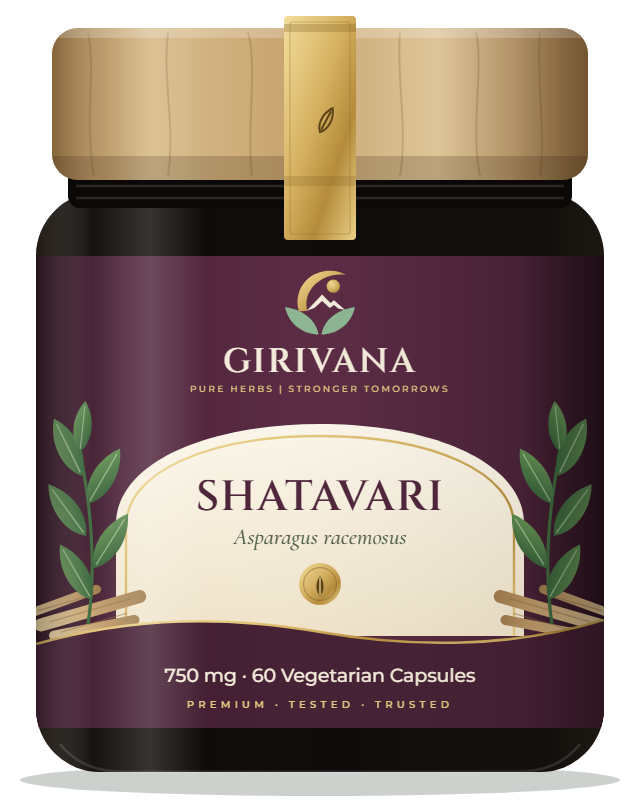
Ashwagandha vs shatavari: the key differences explained
Two of Ayurveda’s best-known roots, often taken together. How their qualities differ, and how Ayurveda chooses between them.
Written by
Girivana Editorial Team
Ashwagandha and shatavari are two of the most popular Ayurvedic herbs. Both are roots, both are rasayanas, and both are often taken with warm milk. Yet Ayurveda describes them as having quite different characters. Here is how they compare.
At a glance
| Ashwagandha | Shatavari | |
|---|---|---|
| Botanical name | Withania somnifera | Asparagus racemosus |
| Part used | Root | Tuberous root |
| Taste (rasa) | Bitter, astringent, sweet | Sweet, bitter |
| Potency (virya) | Warming | Cooling |
| Doshas | Balances vata and kapha | Balances vata and pitta |
| Best known for | Strength and a calm response to everyday stress | Women’s wellbeing and nourishment |
Warming and cooling
The most important difference in Ayurvedic terms is potency. Ashwagandha is described as warming and shatavari as cooling. This affects who each herb is thought to suit.
Someone who tends to feel cold, tired or restless (often linked with vata) may be guided towards ashwagandha. Someone who tends to run hot or feel irritable (often linked with pitta) may be guided towards shatavari.
Strength and nourishment
Both herbs build and support, but in different ways. Ashwagandha is associated with strength, stamina and a steady mind. Shatavari is associated with nourishment, moisture and calm, and has a special place in women’s wellbeing.
Can they be taken together?
Yes. They are frequently combined in Ayurvedic practice and in formulations. The cooling quality of shatavari is thought to balance the warming quality of ashwagandha, making the pair suitable for a wide range of people.
If you take both as separate products, follow the directions on each label and check whether any other supplement you take already contains either herb.
Which should I choose?
That depends on your constitution, your goals and your health. An Ayurvedic practitioner can assess your prakriti (constitution) and current balance and suggest the right herb, or combination, for you.
Cautions
Seek advice before using either herb if you are pregnant or breastfeeding, take regular medication, or have a medical condition. Ashwagandha needs extra care with thyroid medication and sedatives; shatavari with hormone-sensitive conditions.
Health supplement. Not for medicinal use. Not to exceed the recommended daily usage. This product is not intended to diagnose, treat, cure or prevent any disease. Consult your doctor before use if you are pregnant, nursing, taking medication or managing a medical condition. Read the label before use.
- ashwagandha
- shatavari
- comparison
- rasayana
Girivana Editorial Team
Quality & product education
The team that sources, tests and documents every Girivana product, and explains what goes into each jar.