How to read a certificate of analysis for herbal supplements
A certificate of analysis shows what a laboratory found when it tested a product. Here is how to read one: heavy metals, microbial limits, pesticide residue and marker compounds.
Written by
Girivana Editorial Team
A certificate of analysis (COA) is a laboratory’s record of what it found when it tested a product. For herbal supplements it is one of the most direct ways to know what is, and is not, inside the jar.
1. Check the product and dates
The report should name the product and show when the sample was tested. An old or unnamed report tells you very little.
2. Heavy metals
Plants absorb minerals from the soil they grow in. Responsible brands test for lead, arsenic, mercury and cadmium, usually by ICP-MS, a method sensitive to parts per billion. Each result should sit below its permitted limit.
3. Microbial limits
Total plate count, yeast and mould, E. coli and Salmonella show how cleanly a herb was harvested, dried and processed.
4. Pesticide residue
Residue screening looks for a panel of agricultural chemicals. “Not detected” means below the method’s detection limit, which a good report states.
5. Marker compounds
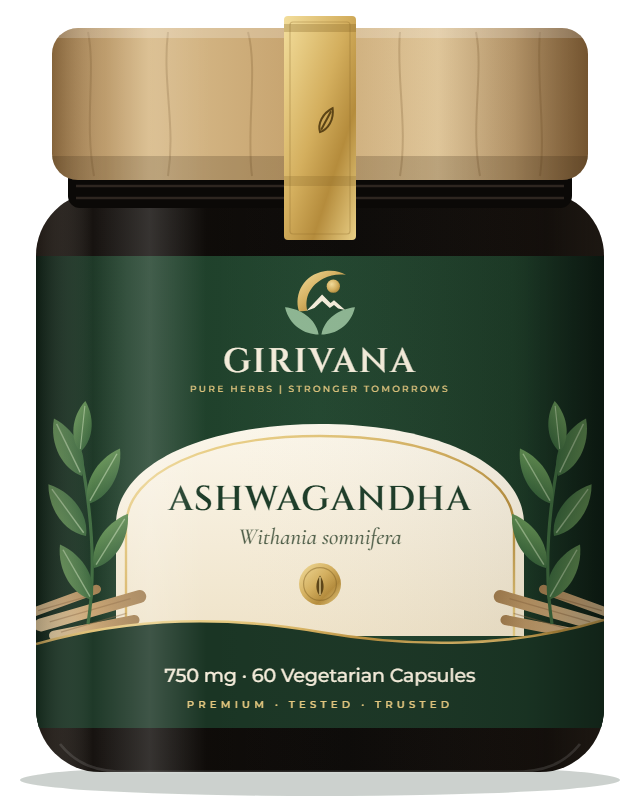
For some herbs a marker compound helps confirm identity and quality, for example withanolides in ashwagandha.
Ask for it
Every Girivana product is tested by an independent laboratory before release. Contact our team if you would like to see a certificate of analysis.
- certificate of analysis
- lab testing
- heavy metals
- herbal supplements
Girivana Editorial Team
Quality & product education
The team that sources, tests and documents every Girivana product, and explains what goes into each jar.