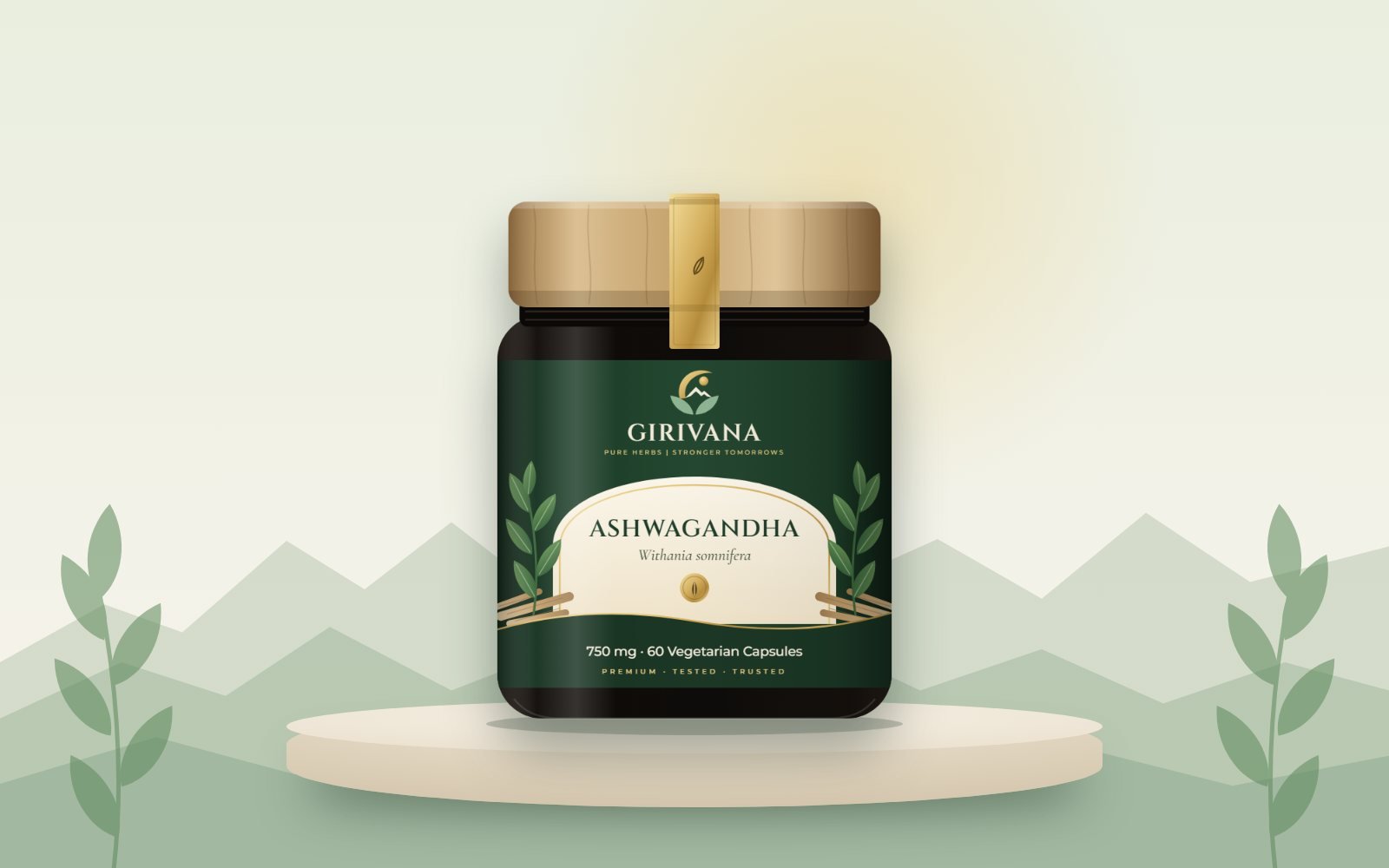
Ashwagandha: a beginner’s guide to the Ayurvedic root
What ashwagandha is, which part of the plant is used, how it is traditionally taken and who should take care. A plain-English introduction.
The Girivana Journal
Clear, well-sourced writing on Ayurvedic herbs, how we source and test them, and the traditions behind them.
A certificate of analysis shows what a laboratory found when it tested a product. Here is how to read one: heavy metals, microbial limits, pesticide residue and marker compounds.
Morning or night? With milk or water? Before or after food? Practical answers to the most common questions about taking ashwagandha.
FSSAI licence, “Health Supplement”, botanical names, part used, quantity per capsule: a quick guide to what a herbal supplement label should tell you.
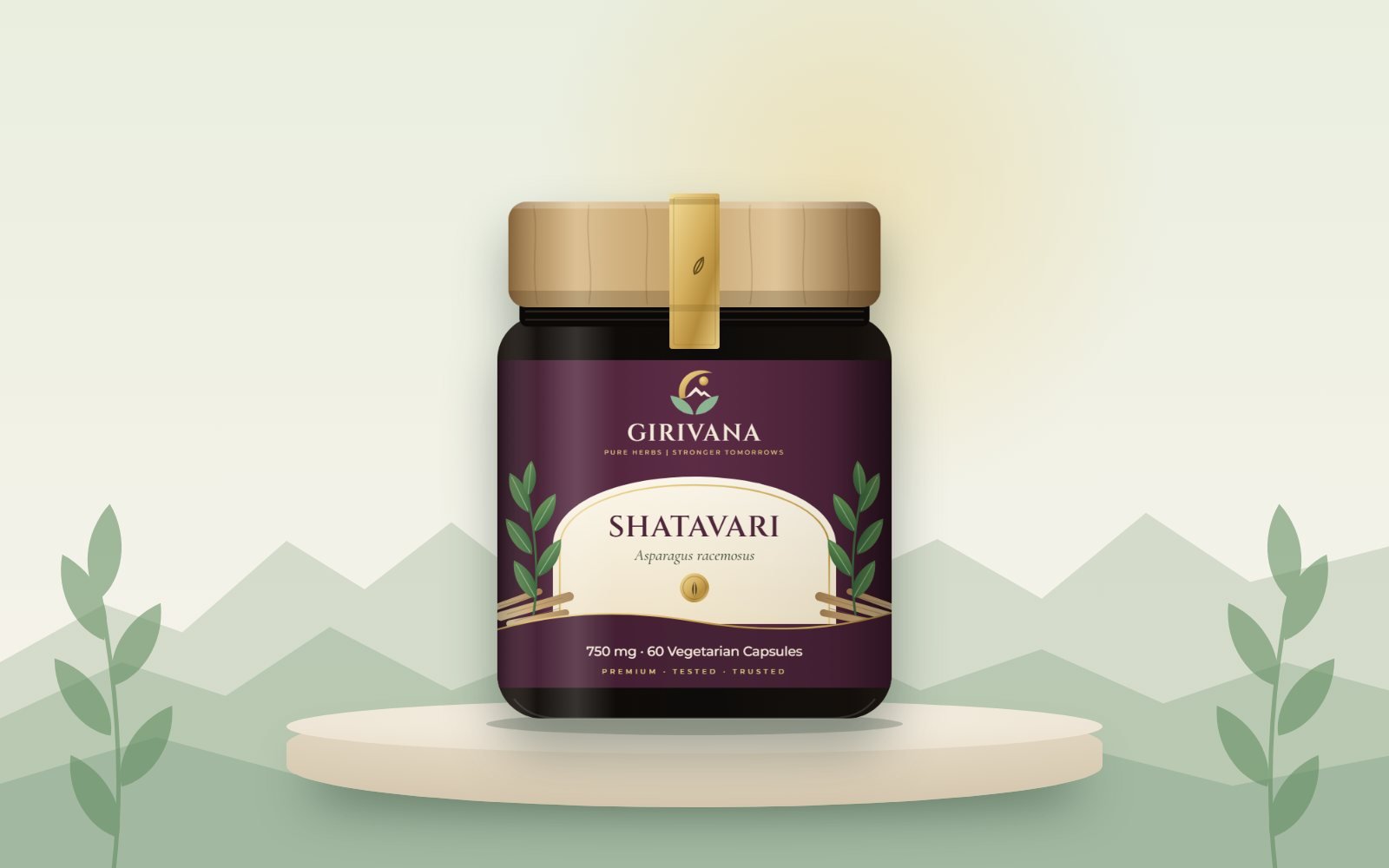
Shatavari is Ayurveda’s classic nourishing herb for women, and a general tonic for men too. What it is, how it is used and what to check.
Ayurveda uses both single herbs and multi-herb formulations. Here is how they differ and how to compare them.
Shilajit is not a plant but a mineral-rich natural resin. What it is, why it must be purified, and how it is traditionally taken.
Home tests for shilajit are unreliable. Here is what actually tells you whether a shilajit product is purified, genuine and safe to use.
Mountain and forest: two Sanskrit words that describe where herbs grow, and the standard we hold every jar to.
Two of Ayurveda’s best-known roots, often taken together. How their qualities differ, and how Ayurveda chooses between them.